

Manual Dump Trailer: A Comprehensive Guide
Manual dump trailers are versatile tools, perfect for hauling materials like mulch, debris, or yard waste efficiently.
They offer a cost-effective solution for various projects, both big and small.
What is a Manual Dump Trailer?
Manual dump trailers represent a practical and economical solution for transporting loose materials. Unlike their powered counterparts, these trailers rely on a hand-operated lever or winch system to tilt the bed and discharge the contents. This manual operation keeps the initial purchase price lower, making them accessible for homeowners and small businesses.
Typically, a manual dump trailer consists of a sturdy steel or aluminum frame, a bed for holding the load, and a hydraulic lift mechanism activated manually. They are designed to be towed behind a truck or SUV with a suitable hitch. These trailers excel at tasks involving landscaping, construction debris removal, and general hauling where frequent dumping is required, offering a convenient alternative to manual labor.
Key Benefits of Using a Manual Dump Trailer
Manual dump trailers offer a compelling array of advantages for various users. Their affordability is a primary benefit, presenting a lower upfront investment compared to powered models. They eliminate the need for strenuous manual loading and unloading, saving significant time and physical effort.
Furthermore, these trailers enhance efficiency in landscaping, construction, and property maintenance projects. They provide a convenient way to haul materials like gravel, mulch, and debris. Their versatility allows for use in both residential and commercial settings, making them a valuable asset. The simplicity of their design also translates to reduced maintenance requirements and increased reliability.

Types of Manual Dump Trailers Available
Manual dump trailers come in several configurations to suit diverse needs. Single-axle dump trailers are generally smaller and lighter, ideal for lighter loads and easier towing with smaller vehicles. They are often preferred for homeowners and smaller landscaping jobs.
Dual-axle dump trailers, conversely, offer increased weight capacity and stability, making them suitable for heavier materials and more demanding tasks. These are commonly used by contractors and professionals. The choice between the two largely depends on the typical load weight and the towing capacity of your vehicle. Both types are available in various sizes and with different features.

Single-Axle Dump Trailers
Single-axle dump trailers represent a practical solution for homeowners and those with lighter hauling requirements. Typically ranging in size from 5×8 to 5×10 feet, they are easily towable by many standard pickup trucks and SUVs. Their lighter weight contributes to better fuel efficiency during transport.
These trailers excel at tasks like removing yard debris, delivering mulch, or handling small construction projects. While their weight capacity is lower than dual-axle models, they offer a cost-effective and maneuverable option. They are a great entry point into dump trailer ownership, providing significant utility without excessive investment.
Dual-Axle Dump Trailers
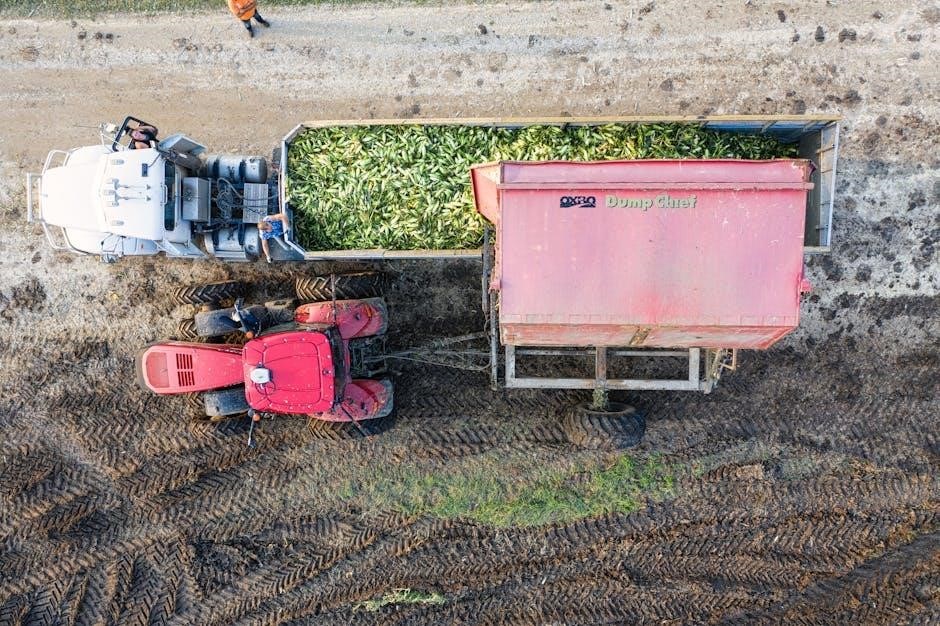
Dual-axle dump trailers are designed for heavier-duty applications and offer increased stability and weight capacity. Commonly found in sizes like 6×12 or larger, they require a more robust tow vehicle, often a full-size pickup truck. The dual-axle configuration distributes the load more evenly, enhancing safety and control during transport.
These trailers are ideal for larger landscaping projects, construction debris removal, or frequent hauling of substantial materials. They provide a more durable and long-lasting solution for professionals or those with demanding needs. While more expensive than single-axle models, the added capacity and stability make them a worthwhile investment for serious users.
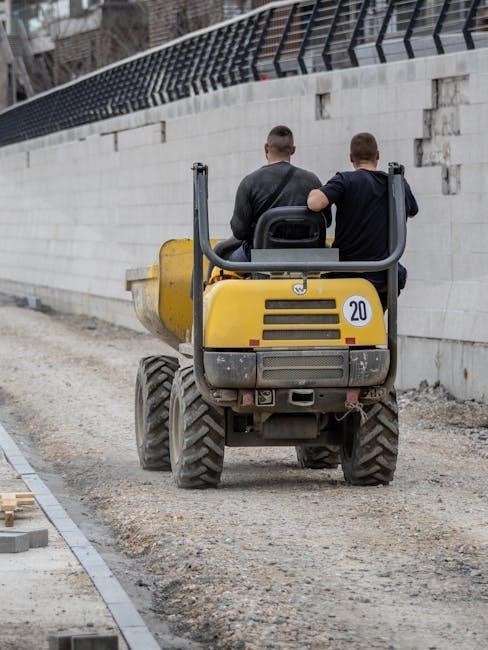
Determining the Right Dump Trailer Size

Selecting the appropriate dump trailer size is crucial for maximizing efficiency and ensuring safe towing. Consider the typical materials you’ll be hauling and the scope of your projects. Smaller tasks, like residential cleanups or light landscaping, may only require a 5×8 trailer. However, larger projects involving significant volumes of materials will necessitate a larger capacity.
Factors like the weight of the load, your tow vehicle’s capacity, and storage space also play a role. A 5×10 trailer offers a good balance for versatility, while a 6×12 provides substantial capacity for more demanding applications. Careful assessment of your needs will prevent under or overspending.
5×8 Dump Trailers: Ideal for Small Jobs
A 5×8 dump trailer represents an excellent entry point for homeowners and professionals tackling smaller projects. These trailers are particularly well-suited for tasks like yard cleanup, hauling mulch, or removing construction debris from minor renovations. Their compact size makes them easy to maneuver and store, even in limited spaces.
Despite their smaller footprint, 5×8 trailers offer a surprising amount of capacity for their size. They are often the preferred choice for individuals who need a convenient hauling solution without the bulk or expense of a larger model. They are also easier to tow with a wider range of vehicles.
5×10 Dump Trailers: Versatility for Various Tasks
The 5×10 dump trailer strikes a fantastic balance between portability and payload capacity, making it incredibly versatile for a wide array of jobs. This size is popular among landscapers, contractors, and homeowners alike, capable of handling everything from soil and gravel to larger loads of yard waste and demolition debris.
Offering more space than a 5×8, the 5×10 allows for fewer trips when moving materials, saving valuable time and effort. It remains manageable for towing with many common vehicles, providing a practical solution for both professional and personal use. It’s a great all-around choice for diverse hauling needs.
6×12 Dump Trailers: Balancing Capacity and Towability
The 6×12 dump trailer represents a sweet spot for those needing substantial hauling capacity without venturing into excessively large and difficult-to-manage sizes. This trailer offers a significant increase in volume compared to the 5×10, making it ideal for larger landscaping projects, construction debris removal, and substantial material transport.
While larger, a well-designed 6×12 remains towable by many full-size trucks and SUVs. It provides a robust solution for professionals and serious DIYers who frequently move heavy loads. It’s a practical choice when maximizing payload is crucial, yet maintaining reasonable maneuverability is still important.
Weight Capacity and Towing Considerations
Understanding weight capacity is paramount when utilizing a manual dump trailer. Exceeding the Gross Vehicle Weight Rating (GVWR) – the maximum permissible weight of the loaded trailer – is dangerous and illegal. This includes the trailer’s weight plus the cargo. Always check the trailer’s specifications for its GVWR.
Towing capacity of your vehicle is equally critical. Consult your vehicle’s owner’s manual to determine its maximum towing capacity. Ensure this capacity exceeds the loaded trailer weight. Proper weight distribution is also vital; around 10-15% of the total weight should be on the hitch. Finally, remember to factor in passenger and cargo weight within your tow vehicle.
Essential Features to Look For
Prioritize a robust hydraulic lift mechanism for efficient dumping; manual levers can be strenuous. Consider the trailer’s construction material – steel offers durability, while aluminum provides a lighter weight for easier towing. Evaluate tailgate options; a spread gate is ideal for evenly distributing materials, while a barn door simplifies loading and unloading.
Look for trailers with sturdy frames, quality tires, and secure tie-down points. Integrated lights and safety chains are non-negotiable. A sloped bed facilitates easier unloading. Don’t overlook the quality of the hinges and latches – these components endure significant stress.
Hydraulic Lift Mechanisms
Hydraulic lift mechanisms are central to a manual dump trailer’s functionality, offering a significant advantage over purely manual lifting. These systems utilize hydraulic cylinders to raise the bed, requiring far less physical effort from the operator. A quality system ensures smooth, controlled dumping, enhancing safety and efficiency.
Look for systems with sufficient lifting capacity for the trailer’s maximum load. Consider the pump type – hand pumps are common, but electric-hydraulic options offer even greater convenience. Regular maintenance, including checking fluid levels and inspecting hoses, is crucial for longevity. A reliable hydraulic system dramatically improves usability.
Steel vs; Aluminum Construction
Choosing between steel and aluminum for your manual dump trailer’s construction involves weighing durability against weight. Steel trailers are generally more robust and can handle heavier loads, making them suitable for demanding jobs. However, they are significantly heavier, impacting towing and fuel efficiency.
Aluminum trailers offer a lighter weight, simplifying towing and reducing fuel consumption. While typically less strong than steel, modern aluminum alloys provide excellent strength-to-weight ratios. Consider the type of materials you’ll be hauling and the frequency of use when making your decision. Rust resistance is also a key benefit of aluminum.
Tailgate Options (Spread Gate, Barn Door)
Tailgate design significantly impacts a manual dump trailer’s functionality. A spread gate, often called a “flow gate,” allows for controlled material disbursement while the trailer is in motion, ideal for spreading gravel or sand evenly. This feature streamlines tasks requiring consistent material distribution.
Barn doors, consisting of two hinged panels, offer full rear access for easy loading and unloading of bulky items. They are particularly useful when precise placement of materials is needed. Consider your typical hauling needs – spreading versus general loading – to determine which tailgate style best suits your applications.
Common Uses for Manual Dump Trailers
Manual dump trailers excel in a wide array of applications, proving invaluable for both homeowners and professionals. Landscaping projects benefit greatly, facilitating the transport of mulch, gravel, and soil with ease. Cleanup tasks, such as post-storm debris removal or construction site waste hauling, become significantly more manageable.
Property maintenance is simplified with the ability to move yard waste and unwanted materials efficiently. Furthermore, these trailers are frequently used for small-scale construction, delivering sand, stone, and other essential supplies. Their versatility makes them a practical asset for numerous tasks around the home or job site.
Maintenance and Care Tips
Regular maintenance is crucial for extending the lifespan of your manual dump trailer. Inspect the hydraulic lift mechanism frequently, checking for leaks and ensuring smooth operation. Lubricate moving parts, like the pivot points and hinges, to prevent rust and maintain functionality; Tire pressure should be checked before each use, ensuring optimal towing and safety.
Clean the trailer bed after each haul to prevent corrosion from lingering debris. Periodically inspect the wiring for damage and ensure all lights are functioning correctly. Store the trailer in a covered area when not in use to protect it from the elements, maximizing its durability.
Safety Precautions When Using a Dump Trailer
Prioritize safety when operating a manual dump trailer. Always secure the load properly with straps or tarps to prevent shifting during transport. Never exceed the trailer’s weight capacity, as this can lead to accidents and damage. Ensure proper hitching to the towing vehicle, verifying the connection is secure before each trip.
Drive at a safe speed, especially when loaded, and be mindful of the trailer’s increased stopping distance. Be aware of overhead clearances when lifting the bed, avoiding power lines or obstructions. Wear appropriate safety gear, including gloves and eye protection, during loading and unloading procedures.
Cost Breakdown: Purchasing a Manual Dump Trailer
Manual dump trailer costs vary significantly based on size, features, and brand. A basic 5×8 single-axle trailer typically ranges from $1,500 to $3,000. 5×10 models generally fall between $2,000 and $4,000, while larger 6×12 dual-axle trailers can cost $3,500 to $6,000 or more.
Additional expenses include sales tax, registration fees, and potential shipping costs. Upgrades like electric-hydraulic lifts or aluminum construction will increase the price. Consider long-term value; a more durable trailer may have a higher initial cost but require less maintenance over time; Budget for accessories like tarps and tie-down straps.
Top Brands in Manual Dump Trailers
Several reputable brands consistently deliver quality manual dump trailers. Iron Bull Trailers is known for its robust construction and affordability, offering a range of sizes. Carry-On Trailer provides durable options with a focus on user-friendly features and longevity. PJ Trailers is a well-established brand recognized for its diverse selection and reliable performance.
Look to brands like Load Trail and Wells Cargo for competitive pricing and dependable trailers. Consider customer reviews and warranty offerings when making your decision. Researching each brand’s specific models will help you find the best fit for your needs and budget.
Where to Buy a Manual Dump Trailer
Numerous retailers offer manual dump trailers, both online and in-person. TrailersPlus is a prominent online dealer with a wide selection and nationwide delivery options. Local trailer dealerships provide personalized service and the opportunity to inspect trailers firsthand. Big box stores like Tractor Supply Co. often carry smaller dump trailers.
Online marketplaces such as Craigslist and Facebook Marketplace can offer used trailers at lower prices, but require careful inspection. Consider the convenience of online purchasing versus the expertise of a local dealer. Always compare prices and warranty information before making a purchase.
DIY Modifications and Upgrades
Enhance your manual dump trailer with several DIY modifications. Adding side extensions increases capacity for bulky materials like mulch or gravel. Installing a tarp kit keeps loads secure and protected from the elements during transport. Upgrading the tires improves handling and durability, especially for heavier loads.
Consider adding LED lighting for improved visibility during low-light conditions. Reinforcing the frame can increase the trailer’s weight capacity, but requires welding skills. Always prioritize safety and ensure modifications comply with local regulations.
Troubleshooting Common Issues
Hydraulic lift malfunctions are frequent; check fluid levels and hoses for leaks first. A stuck dump bed often results from debris buildup – thoroughly clean the slide mechanism. Wobbly trailers usually indicate loose wheel bearings or tire issues; inspect and tighten accordingly.
Electrical problems with lights require checking the wiring and connections. Rust and corrosion can seize moving parts, necessitating lubrication or replacement. Regular inspection prevents minor issues from escalating into costly repairs. Consult a professional for complex problems beyond your skillset.